
Goal to save 50 Million tank loads of water by 2030

12 February 2026
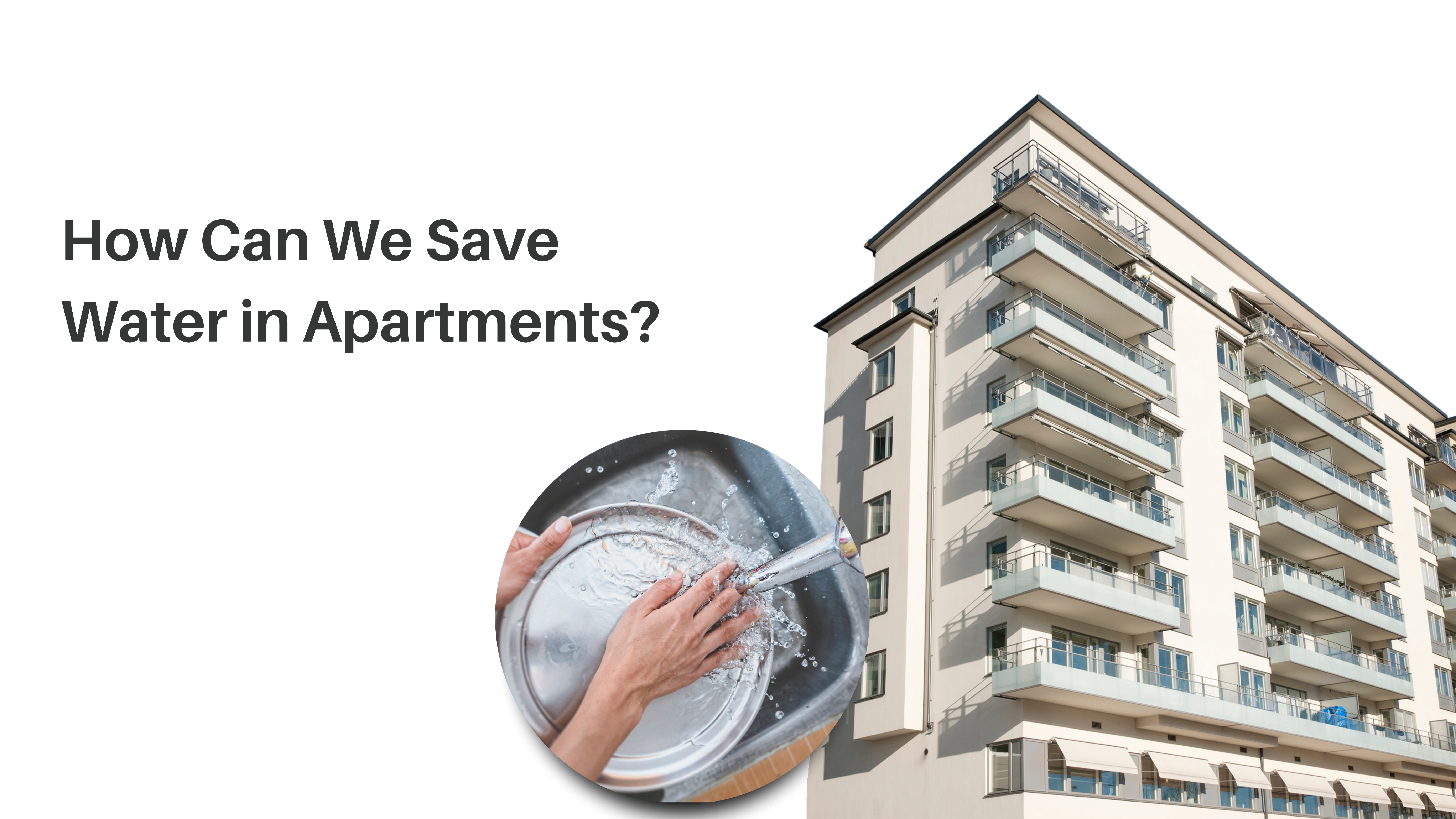
Water usage in apartments is often higher than we realize. With multiple homes sharing the same supply, even small inefficiencies—like high-flow taps or unnoticed leaks—can lead to major water wastage and higher maintenance costs.
The solution isn’t strict restrictions. It’s smarter systems, better habits, and the right water-saving approach at both home and community levels.
This article is based on:
Many apartment communities today are adopting structured smart water solutions to manage water efficiently and reduce dependency on tankers.
Apartments can save water by installing water savers in individual flats, fixing leaks quickly, monitoring common-area water usage, reusing treated water, and creating resident awareness.
If your apartment wants quick results:
These three actions alone can reduce apartment water usage by 30–40%.
| Area | Common Issue | Impact |
| Kitchen taps | High flow | Daily overuse |
| Bathroom sinks | Running taps | Hidden wastage |
| Showers | Heavy water flow | High consumption |
| Toilets | Old flush systems | Excess per use |
| Common areas | Leaks & overflow | Continuous loss |
Most apartment taps release more water than needed. Installing water savers helps control flow while maintaining pressure, making them ideal for kitchens and bathrooms. Many housing societies partner with solution providers like Eco365 to implement these upgrades across all units efficiently.
Showers account for a large share of daily water use. Low-flow shower solutions reduce consumption while maintaining comfort for residents.
Leaks in overhead tanks, pipelines, and parking areas often go unnoticed. Regular inspections and quick repairs prevent continuous water loss.
Tracking tanker supply, borewell usage, and meter readings helps management committees identify inefficiencies early and plan better.
Treated greywater can be reused for gardening, cleaning, and flushing, reducing the demand for fresh water.
Simple reminders and communication help residents:
Awareness is key to long-term savings.
Installing water savers in all flats and fixing common-area leaks gives the fastest results.
Yes. They are especially effective in high-density residential buildings.
Showers, leaking taps, inefficient flush systems, and common-area leaks.
Monthly checks for common areas and professional inspections every 3–6 months are recommended.
Yes. Reduced water usage lowers tanker dependency, pumping costs, and long-term infrastructure strain.
Saving water in apartments works best when everyone participates.
With the right water savers, proper monitoring, and community awareness—supported by reliable solutions from providers like Eco365—apartment living can become significantly more water-efficient and sustainable.
No 9 D, HOSAKEREHALLI ROAD GANAPATHI NAGAR, BYATARAYANAPURA, Bengaluru Urban, Karnataka, 560026
Copyright 2022 - ECO365 Private Limited | All Rights Reserved
Website by Webmaddy